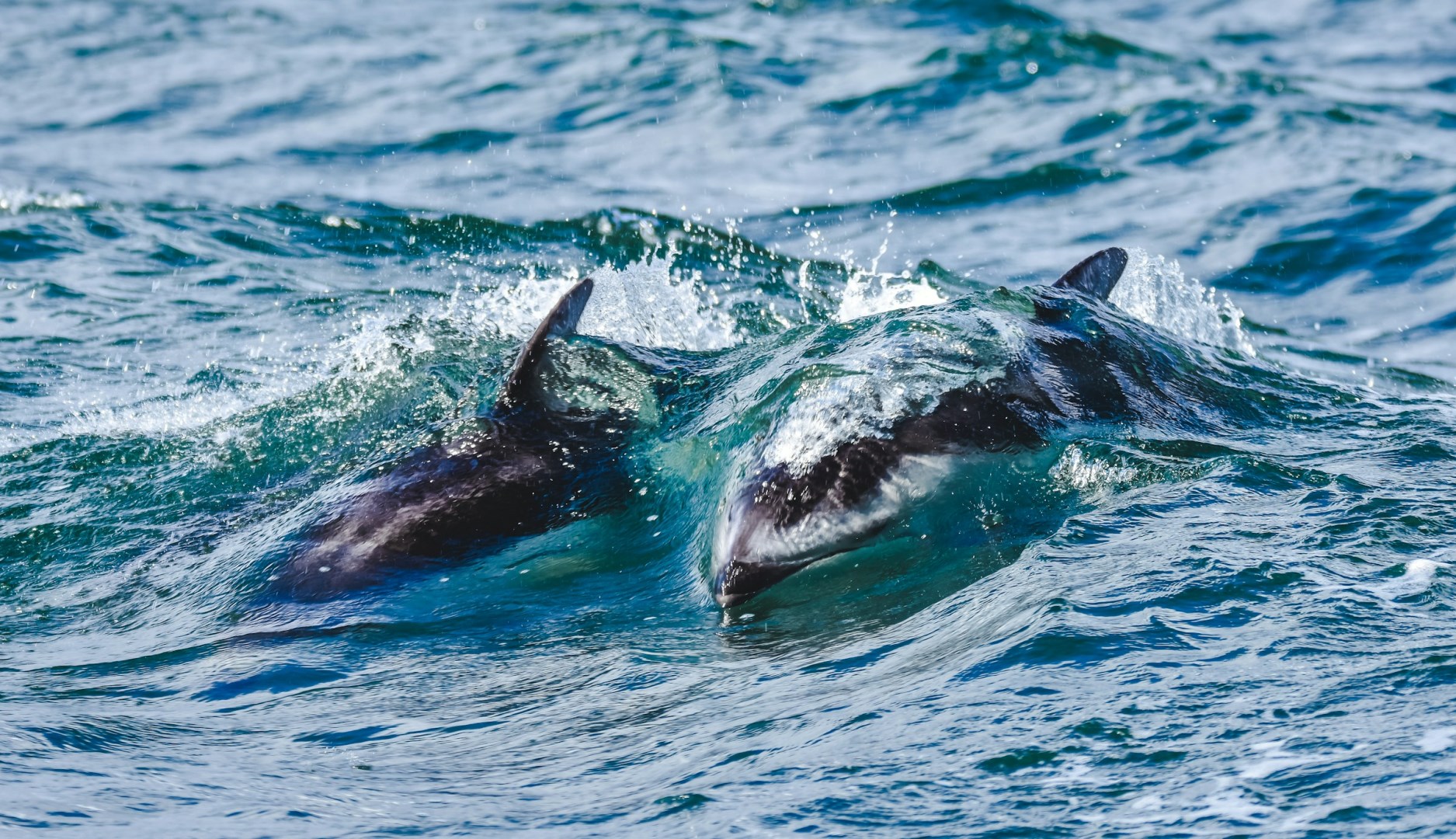
Cormorant Island is a small, forested island off the northeastern coast of Vancouver Island in British Columbia, with Alert Bay as its main community. The island faces the sheltered waters of the Broughton Strait and Queen Charlotte Strait, where coastal forests meet rocky shorelines, tidal marshes, and marine habitats. Its compact landscape includes walking and cycling trails, waterfront boardwalks, and the Alert Bay Ecological Park. Fishing, boating, and wildlife viewing remain important parts of island life, while the surrounding waters provide habitat for salmon, seabirds, seals, sea lions, and other coastal species.
Cormorant Island is the traditional home of the 'Namgis First Nation, part of the larger Kwakwaka'wakw cultural group, and is known by the name Yalis in the Kwak'wala language. Indigenous culture remains central to the island, with language, carving, storytelling, dance, and ceremonial traditions continuing in the community. The U'mista Cultural Centre houses the Potlatch Collection, including ceremonial regalia and masks that were returned to the Kwakwaka'wakw after being confiscated by Canadian authorities. The 'Namgis Big House and numerous carved poles also reflect the continuing cultural presence of the Kwakwaka'wakw.
The island's natural attractions include the Alert Bay Ecological Park, where a cedar boardwalk crosses a wetland surrounded by forest and native vegetation. The island has about 16 kilometres of walking, hiking, and cycling trails, with routes passing through wooded areas and along the shoreline. Birdwatching is particularly rewarding, with bald eagles present throughout the year and species such as harlequin ducks, loons, mergansers, grebes, and scoters appearing along the coast. Whale-watching and marine excursions from Alert Bay provide opportunities to see orcas and other wildlife in the surrounding waterways.
Seafood is closely connected to Cormorant Island's coastal setting, with locally caught salmon and halibut traditionally forming an important part of the regional food economy. Fishing, salmon processing, and boat travel have shaped the community alongside Indigenous food traditions. Local cultural businesses also highlight cedar carving, weaving, jewelry, and other forms of Kwakwaka'wakw art. One distinctive feature of the island is the presence of culturally modified cedar trees, where bark was traditionally removed for materials used in clothing, fishing nets, baskets, and rope. The combination of living Indigenous culture, coastal forest, and marine environments gives Cormorant Island a distinctive identity within northern British Columbia.


✆: 470-253-8209
✉:
AM Travel Agency
3245 Peachtree Parkway
SUITE D102
SUWANEE, GA 30024
CLIA ID 00027468 | IATA ID 11545483 | ARC ID 11554583 | ST- 42058 UBI - 60404540806, CA - 2141752-70